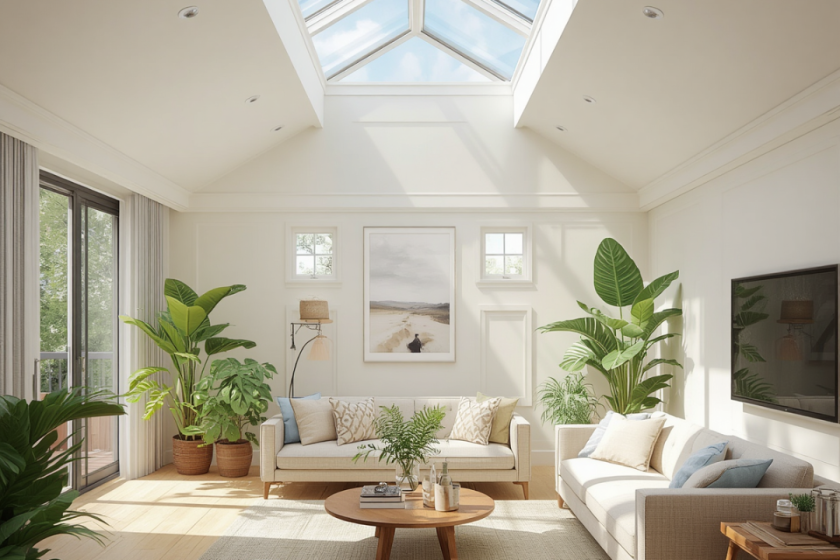
Natural light has a powerful effect on the comfort, appearance, and functionality of a home. During a remodeling project, adding or upgrading skylights can introduce daylight into areas where traditional windows provide limited illumination. Well-planned skylights help brighten interiors, create a greater sense of openness, and improve the overall atmosphere of living spaces while supporting everyday activities. By considering placement, room function, and long-term maintenance, homeowners can incorporate skylights into a remodeling project that delivers lasting value.
This guide is part of the Residential Remodeling Resource Center for Better Home Planning and Design, where homeowners can explore practical renovation ideas, planning resources, and room-by-room remodeling guides for creating more functional living environments.
Evaluate Where Additional Daylight Will Have the Greatest Impact
Before deciding where to install skylights, identify the rooms that receive limited natural light throughout the day. Hallways, bathrooms, kitchens, family rooms, and stairwells often benefit from additional daylight, making them feel brighter and more inviting without significantly changing the existing layout.
For broader planning guidance, explore Planning Home Remodeling Projects Around Family Growth and Changing Needs, which explains how lighting, room functionality, and long-term household needs can shape successful renovation decisions.
Benefits of Skylights During Home Remodeling
| Benefit | How It Improves the Home |
|---|---|
| More natural daylight | Creates brighter and more welcoming interior spaces. |
| Improved visual openness | Helps rooms feel larger and less enclosed. |
| Balanced interior lighting | Distributes daylight deeper into the room. |
| Greater design flexibility | Preserves wall space for furniture, cabinetry, and artwork. |
| Enhanced everyday comfort | Creates pleasant environments for work, relaxation, and family activities. |
Coordinate Skylights With Room Layouts
The placement of a skylight should complement the intended use of the room. Positioning daylight over seating areas, kitchen workspaces, dining tables, or open circulation paths helps maximize its practical benefits while maintaining balanced lighting throughout the space. Careful coordination with furniture placement also prevents unnecessary glare in frequently used areas.
Consider How Skylights Support Daily Activities
Every room serves a different purpose, and natural light should enhance those activities. In kitchens, brighter work surfaces improve meal preparation. In living rooms, daylight creates a comfortable setting for reading and conversation. In home offices, balanced lighting contributes to a more pleasant working environment throughout the day.
Homeowners planning additional living space improvements may also find useful ideas in Living Room Remodeling With Built-In Storage for Everyday Organization, where practical layouts and thoughtful design create comfortable gathering spaces.
Select Materials That Complement Natural Light
Interior finishes influence how effectively daylight spreads throughout a room. Light-colored walls, reflective surfaces, and coordinated trim can help distribute natural light more evenly while maintaining a cohesive appearance. Choosing durable materials that are easy to maintain also helps preserve the quality of the remodeled space over time.
For additional guidance on finish selections, review Selecting Interior Door Styles That Complement Modern Home Remodeling, which explains how architectural details contribute to a unified interior design.
Plan for Long-Term Flexibility
As household routines change, rooms often serve new purposes. A family room may become a reading area, a guest room may become a home office, or a hobby space may evolve into a playroom. Skylights continue providing valuable natural light regardless of how the room is used, making them a flexible feature that supports changing lifestyles.
Document Lighting Ideas Before Construction
Sketching skylight locations, evaluating sunlight patterns, and comparing different design options before construction begins can simplify remodeling decisions. Planning ahead also makes it easier to coordinate lighting with ceiling layouts, furniture placement, and other architectural features.
The Home Renovation Planning Toolkit With Worksheets, Schedules, and Project Templates provides practical worksheets for documenting room layouts, lighting plans, material selections, and renovation priorities before construction starts.
Questions to Ask Before Adding Skylights
- Which rooms would benefit most from additional natural daylight?
- Will the skylight improve comfort during everyday activities?
- Does the placement work well with furniture and room layouts?
- Will interior finishes help reflect natural light effectively?
- Can the room adapt to future lifestyle changes without reducing the skylight’s benefits?
- Have multiple placement options been compared before construction begins?
Creating Brighter and More Inviting Living Spaces
Skylights can transform the feel of a home by introducing natural light into areas that would otherwise rely heavily on artificial lighting. By carefully selecting skylight locations, coordinating them with room layouts, choosing complementary interior finishes, and documenting plans before remodeling begins, homeowners can create brighter, more comfortable living spaces that remain functional and enjoyable for many years.