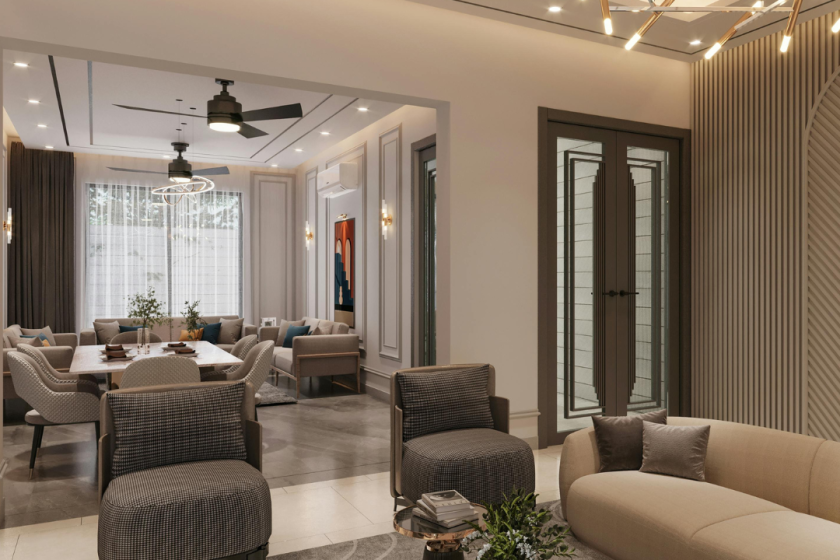
The living room is one of the most frequently used spaces in a home. It serves as a place for relaxation, family gatherings, reading, entertainment, and everyday conversations. Over time, books, electronics, toys, blankets, and decorative items can create unnecessary clutter that makes the room feel less comfortable. Remodeling the living room with built-in storage provides an effective way to organize everyday essentials while preserving an open, inviting atmosphere. With thoughtful planning, homeowners can create a space that remains functional, organized, and adaptable for years to come.
This guide is part of the Residential Remodeling Resource Center for Better Home Planning and Design, where homeowners can explore practical remodeling strategies, planning resources, and room-by-room renovation ideas for creating more functional living spaces.
Identify Everyday Storage Needs
Before designing built-in storage, evaluate how the living room is used throughout the day. Some households need space for books and games, while others require storage for media equipment, children’s toys, blankets, or decorative accessories. Understanding daily routines helps determine the most practical storage solutions without overcrowding the room.
For broader renovation planning guidance, explore Planning Home Remodeling Projects Around Family Growth and Changing Needs, which explains how remodeling decisions can support changing household routines and long-term functionality.
Benefits of Built-In Living Room Storage
| Storage Solution | Practical Benefit |
|---|---|
| Wall-mounted shelving | Provides accessible storage while preserving floor space. |
| Closed cabinets | Conceal everyday items and reduce visual clutter. |
| Built-in media units | Keep entertainment equipment organized in one location. |
| Window seats with storage | Add comfortable seating while creating hidden storage space. |
| Display shelves | Showcase books and decorative items without overcrowding the room. |
Create Storage That Matches Daily Activities
Storage should reflect how the living room functions every day. Frequently used items should remain easy to access, while seasonal decorations, board games, and rarely used equipment can be stored in enclosed cabinets. Organizing storage according to daily use helps keep the room tidy without sacrificing convenience.
Balance Open and Closed Storage
A combination of open shelving and concealed cabinets creates both visual interest and practical organization. Open shelves are ideal for books, plants, and decorative accents, while closed storage hides electronics, cables, games, and other everyday items that might otherwise create clutter.
Homeowners planning additional custom storage may also benefit from Home Office Remodeling With Built-In Shelving for Better Workspace Organization, which explores built-in storage solutions that maximize organization while maintaining a clean appearance.
Coordinate Storage With Interior Design
Built-in cabinetry should complement the home’s overall design rather than appear as a separate addition. Coordinating shelving, cabinets, trim, and finishes with existing flooring, doors, and wall colors helps create a cohesive interior that feels intentional and balanced.
For more guidance on architectural finishes, review Selecting Interior Door Styles That Complement Modern Home Remodeling, which explains how coordinated design elements contribute to a unified interior.
Use Natural Light to Highlight the Space
When planning built-in storage, avoid blocking windows or reducing the amount of natural light entering the room. Position cabinetry where daylight can continue flowing throughout the space, helping the living room feel brighter, larger, and more inviting during everyday use.
Related ideas are available in Skylight Remodeling Ideas for Brighter and More Comfortable Living Spaces, which explores practical ways to maximize daylight during remodeling.
Plan Storage for Future Needs
Household routines naturally change over time. Adjustable shelving, modular cabinets, and flexible storage compartments allow the living room to accommodate new hobbies, growing book collections, children’s changing interests, or updated entertainment systems without requiring another major renovation.
Document Your Storage Plan Before Construction
Preparing cabinet dimensions, shelf layouts, finish selections, and furniture arrangements before construction begins helps compare multiple design options and ensures every storage feature supports the room’s intended purpose. Careful planning often results in a more efficient remodeling process.
The Home Renovation Planning Toolkit With Worksheets, Schedules, and Project Templates includes practical worksheets for documenting room layouts, storage requirements, finish selections, and remodeling priorities before work begins.
Questions to Ask Before Installing Built-In Storage
- Which everyday items require the most accessible storage?
- Does the design include both open and concealed storage?
- Will the cabinetry complement the home’s overall interior style?
- Can natural light continue flowing freely throughout the room?
- Are the selected materials durable enough for everyday use?
- Can the storage system adapt as household needs change over time?
Creating an Organized Living Room That Supports Everyday Life
Built-in storage can transform a living room into a cleaner, more comfortable, and highly functional space. By evaluating daily routines, balancing open and closed storage, coordinating finishes, preserving natural light, selecting durable materials, and documenting every design decision before construction begins, homeowners can create a living room that remains organized and welcoming for many years to come.