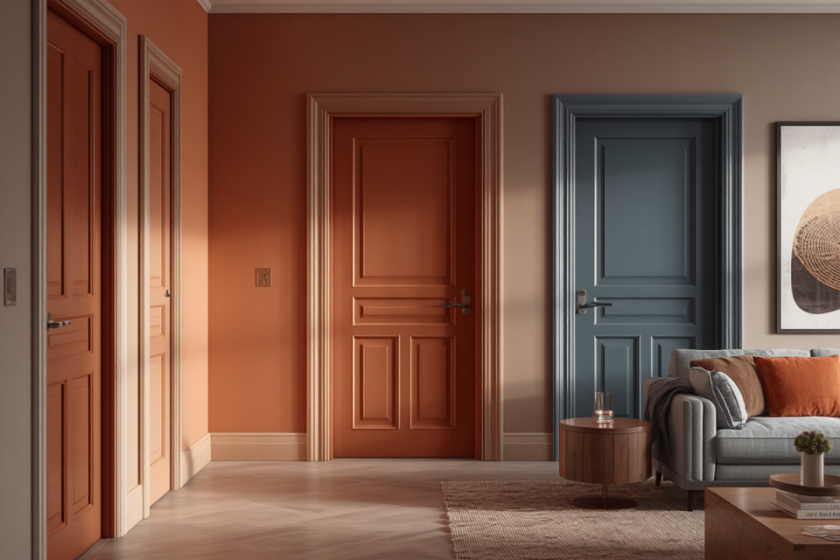
Interior doors do more than separate rooms. They contribute to the overall appearance of a home, influence how spaces connect, and support privacy, functionality, and everyday comfort. During a remodeling project, selecting door styles that complement the home’s architectural design helps create a consistent interior while improving durability and long-term usability. By evaluating materials, layouts, and daily household needs, homeowners can make choices that continue adding value long after the renovation is complete.
This guide is part of the Residential Remodeling Resource Center for Better Home Planning and Design, where homeowners can explore practical remodeling resources covering room layouts, materials, planning strategies, and functional home improvements.
Consider the Overall Design of the Home
Interior doors should complement the architectural style established throughout the house. Whether the remodeling project leans toward contemporary, transitional, traditional, or minimalist design, maintaining consistency across door styles helps create smooth visual transitions between rooms and contributes to a cohesive interior.
For broader planning guidance, explore Planning Home Remodeling Projects Around Family Growth and Changing Needs, which explains how design decisions can support changing household needs while maintaining long-term functionality.
Factors to Evaluate When Choosing Interior Doors
| Selection Factor | Practical Benefit |
|---|---|
| Door style | Creates visual consistency throughout the home. |
| Material durability | Supports long-term performance in frequently used spaces. |
| Maintenance requirements | Simplifies cleaning and everyday upkeep. |
| Room function | Provides an appropriate balance of privacy and accessibility. |
| Finish coordination | Complements flooring, trim, cabinetry, and wall colors. |
Choose Styles That Support Everyday Living
Every room has different functional requirements. Bedrooms and home offices typically benefit from greater privacy, while open living spaces often emphasize smooth transitions between connected areas. Selecting door styles that match each room’s purpose helps improve comfort without disrupting the home’s overall design.
Coordinate Doors With Interior Finishes
Interior doors should work together with trim, flooring, cabinetry, and wall finishes rather than competing with them. Coordinating these architectural elements creates a balanced appearance and helps remodeled rooms feel connected as homeowners move throughout the house.
For additional finish selection guidance, review Living Room Remodeling With Built-In Storage for Everyday Organization, where integrated design elements contribute to organized and visually cohesive living spaces.
Select Durable Materials for High-Use Areas
Doors in hallways, kitchens, bathrooms, and family living areas are opened and closed many times each day. Choosing durable materials and quality hardware helps maintain smooth operation while preserving the appearance of the finished interior over many years of regular use.
Homeowners considering other long-term remodeling investments may also benefit from Double Vanity Remodeling Ideas for Shared Bathroom Organization, which explores practical design solutions that improve everyday functionality through durable fixtures and efficient layouts.
Think About Natural Light Between Rooms
Some interior door styles incorporate glass panels that allow daylight to move between adjoining spaces while still providing separation. Depending on the function of each room, this approach can help brighten interior areas and create a greater sense of openness throughout the home.
Related ideas are available in Skylight Remodeling Ideas for Brighter and More Comfortable Living Spaces, which explains how natural light contributes to comfortable and welcoming interiors.
Plan for Future Flexibility
Household needs often change as families grow or room functions evolve. Selecting timeless door styles allows future updates to paint colors, furnishings, or flooring without requiring replacement of major architectural features. Neutral designs generally remain compatible with a wide variety of remodeling styles over time.
Document Door Selections Before Installation
Recording door sizes, swing directions, finish selections, hardware choices, and room assignments before construction begins helps improve coordination during installation while reducing the possibility of costly changes later in the project.
The Home Renovation Planning Toolkit With Worksheets, Schedules, and Project Templates provides practical worksheets for documenting material selections, room layouts, finish schedules, and remodeling decisions before work begins.
Questions to Ask Before Selecting Interior Doors
- Does the door style complement the home’s overall design?
- Will the selected material perform well with everyday use?
- Is the finish coordinated with flooring, trim, and cabinetry?
- Do certain rooms benefit from additional natural light through glass panels?
- Will the design remain attractive as interior décor changes?
- Have all door specifications been documented before installation?
Creating a Cohesive Interior Through Thoughtful Door Selection
Choosing the right interior doors is an important part of creating a functional and visually consistent home. By evaluating room functions, coordinating finishes, selecting durable materials, considering natural light, and documenting design decisions early in the remodeling process, homeowners can create interiors that remain practical, attractive, and adaptable for many years after the renovation is complete.