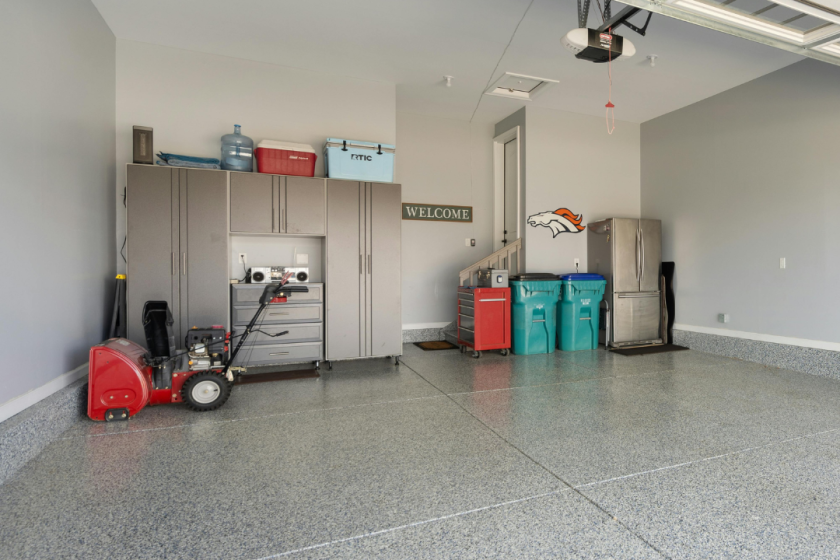
For many households, the garage entrance serves as the primary entry point into the home. Shoes, backpacks, coats, sports equipment, and shopping bags often accumulate near this doorway, creating unnecessary clutter and making daily routines less efficient. Remodeling the garage entry into a functional mudroom helps organize these everyday essentials while creating a cleaner transition between the outdoors and the main living areas. With thoughtful planning, homeowners can design a space that supports organization, convenience, and long-term flexibility.
This guide is part of the Residential Remodeling Resource Center for Better Home Planning and Design, where homeowners can explore practical renovation strategies, room-by-room remodeling ideas, and planning resources for creating functional living spaces.
Evaluate Your Family’s Daily Routine
Every household uses its entryway differently. Some families need storage for school supplies and backpacks, while others require space for work gear, pet accessories, or seasonal clothing. Understanding how family members enter and leave the home each day helps determine the storage features and layout that will provide the greatest long-term value.
For broader renovation planning guidance, visit Planning Home Remodeling Projects Around Family Growth and Changing Needs, which explains how remodeling decisions can better support changing household routines and future needs.
Essential Features of a Functional Garage Mudroom
| Feature | Practical Benefit |
|---|---|
| Built-in lockers | Provide dedicated storage for each family member. |
| Bench seating | Creates a comfortable place to put on or remove shoes. |
| Hooks and hanging rails | Keep coats, bags, and jackets organized and accessible. |
| Closed cabinets | Hide seasonal items and reduce visible clutter. |
| Durable flooring | Handles dirt, moisture, and frequent daily use. |
Create Individual Storage Areas
Assigning each family member a dedicated storage area makes everyday organization much easier. Individual lockers, cubbies, or labeled shelves help prevent misplaced belongings while encouraging everyone to maintain a tidy entryway. This simple approach also reduces congestion during busy mornings and evenings.
Include Storage for Seasonal Items
A well-designed mudroom should accommodate more than everyday necessities. Cabinets and overhead shelving can store winter clothing, umbrellas, reusable shopping bags, outdoor gear, and holiday accessories until they are needed. Keeping these items nearby but out of sight helps maintain a cleaner and more organized appearance throughout the year.
For additional storage inspiration, explore Home Office Remodeling With Built-In Shelving for Better Workspace Organization, which demonstrates how built-in storage systems maximize available space while reducing visual clutter.
Select Durable Materials for Everyday Use
Garage mudrooms experience constant foot traffic and frequent exposure to dirt, moisture, and changing weather conditions. Choosing durable flooring, easy-to-clean cabinetry, moisture-resistant wall finishes, and quality hardware helps preserve both appearance and functionality while reducing long-term maintenance.
Additional material selection guidance is available in Selecting Interior Door Styles That Complement Modern Home Remodeling, which explains how durable architectural elements contribute to long-lasting renovation results.
Improve Comfort With Better Lighting
Good lighting makes everyday tasks easier, whether family members are finding shoes before school or organizing belongings after work. Combining natural daylight where available with well-planned overhead and task lighting creates a welcoming space that feels comfortable throughout the day.
Related ideas can be found in Skylight Remodeling Ideas for Brighter and More Comfortable Living Spaces, which explores practical ways to introduce more natural light during remodeling projects.
Design for Changing Household Needs
Family routines naturally evolve over time. Young children eventually need storage for sports equipment, teenagers may require additional organization, and adults often accumulate new hobbies or work gear. Flexible shelving, adjustable hooks, and modular cabinetry allow the mudroom to adapt without requiring another major renovation.
Document the Layout Before Construction
Preparing measurements, storage requirements, cabinet layouts, seating locations, and material selections before construction begins helps compare multiple design options and identify the most practical arrangement. Organized planning also improves coordination throughout the remodeling process.
The Home Renovation Planning Toolkit With Worksheets, Schedules, and Project Templates provides practical worksheets for documenting layouts, storage plans, finish selections, and renovation priorities before work begins.
Questions to Ask Before Remodeling a Garage Mudroom
- Does every family member have dedicated storage space?
- Is there comfortable seating for changing shoes?
- Can seasonal items be stored without creating clutter?
- Are the selected materials durable enough for daily use?
- Will the lighting support everyday routines throughout the year?
- Can the storage system adapt as household needs change?
Creating a More Organized Entryway for Everyday Living
A garage mudroom can transform one of the busiest areas of the home into an organized, functional, and welcoming space. By creating dedicated storage, incorporating durable materials, improving lighting, planning for seasonal organization, and documenting every design decision before construction begins, homeowners can build an entryway that simplifies daily routines and continues supporting family life for many years.