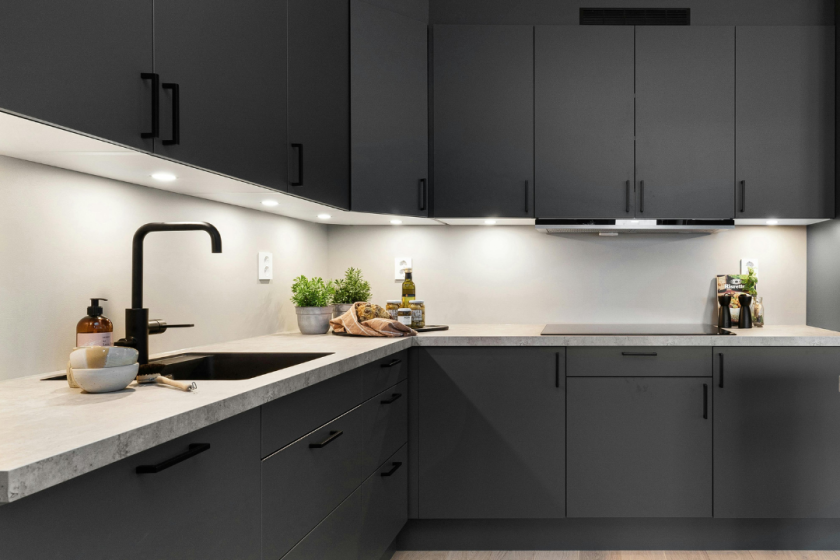
A kitchen peninsula can be a practical alternative to a traditional island, especially in homes where space is limited or where maintaining an efficient work triangle is a priority. By extending from an existing wall or cabinet run, a peninsula provides additional countertop space, storage, and seating without requiring the open floor area that a standalone island demands. With careful planning, this feature can improve meal preparation, encourage family interaction, and support everyday kitchen activities.
This guide is part of the Residential Remodeling Resource Center for Better Home Planning and Design, where homeowners can explore practical renovation ideas, planning resources, and room-by-room remodeling strategies for creating more functional living spaces.
Determine Whether a Peninsula Fits Your Kitchen Layout
Before adding a peninsula, evaluate how people move through the kitchen during everyday activities. The layout should allow comfortable access to appliances, cabinets, and work areas while leaving sufficient clearance for walking and seating. A peninsula works particularly well in L-shaped and U-shaped kitchens where it can define separate zones without interrupting circulation.
For broader renovation planning guidance, visit Planning Home Remodeling Projects Around Family Growth and Changing Needs, which explains how thoughtful remodeling decisions can better support changing household routines and long-term functionality.
Advantages of a Kitchen Peninsula
| Feature | Practical Benefit |
|---|---|
| Additional countertop space | Provides more room for food preparation and serving. |
| Integrated seating | Creates a comfortable place for casual meals and conversation. |
| Extra storage | Adds cabinets and drawers without expanding the kitchen footprint. |
| Defined work zones | Separates cooking, dining, and gathering areas. |
| Improved workflow | Supports efficient movement between major kitchen tasks. |
Design Comfortable Seating Areas
A peninsula often becomes a natural gathering place where family members can enjoy breakfast, complete homework, or chat while meals are being prepared. Providing adequate legroom, comfortable seating heights, and enough space between chairs helps create a welcoming area that encourages everyday interaction without interfering with kitchen workflow.
Incorporate Practical Storage Solutions
Cabinets and drawers built into the peninsula can store cookware, serving dishes, small appliances, or frequently used kitchen tools. Open shelving on one side may also provide space for cookbooks or decorative accessories while maintaining easy access to everyday items. Planning storage based on daily routines helps keep countertops organized and free from clutter.
Homeowners looking for additional organization ideas may also benefit from Garage Mudroom Remodeling Ideas for Busy Family Homes, which demonstrates how dedicated storage systems improve efficiency in another frequently used area of the home.
Coordinate Materials With the Overall Kitchen Design
The peninsula should blend naturally with the rest of the kitchen rather than appear as a separate addition. Matching cabinetry, countertops, flooring, and hardware creates a cohesive appearance while allowing the peninsula to become an integrated part of the overall design. Consistent finishes also contribute to a timeless interior that remains attractive as decorating styles evolve.
For additional guidance on selecting complementary architectural elements, review Selecting Interior Door Styles That Complement Modern Home Remodeling, which explains how coordinated finishes help create a balanced interior.
Maximize Natural Light Around the Peninsula
Whenever possible, position the peninsula where it benefits from nearby windows or other sources of natural daylight. Bright work surfaces make food preparation more comfortable while creating a welcoming atmosphere for casual dining and family gatherings. Avoid placing tall cabinets or partitions that block light from reaching the seating area.
Related ideas can be found in Skylight Remodeling Ideas for Brighter and More Comfortable Living Spaces, which explores practical ways to introduce additional daylight during remodeling projects.
Plan for Future Flexibility
Kitchen needs often change as households grow or routines evolve. Designing a peninsula with flexible storage, durable materials, and generous seating allows the space to adapt to new cooking habits, entertaining styles, or family activities without requiring another major renovation.
Document the Design Before Construction
Preparing measurements, seating layouts, cabinet configurations, appliance clearances, and material selections before construction begins helps compare multiple design options and identify the arrangement that best supports everyday use. Careful planning also improves coordination throughout the remodeling process.
The Home Renovation Planning Toolkit With Worksheets, Schedules, and Project Templates provides practical worksheets for documenting kitchen layouts, storage plans, finish selections, and renovation priorities before work begins.
Questions to Ask Before Adding a Kitchen Peninsula
- Will the peninsula improve movement throughout the kitchen?
- Is there enough clearance for comfortable seating and walking?
- Does the design include practical storage for everyday items?
- Will the finishes coordinate with the rest of the kitchen?
- Can natural light reach the work and seating areas?
- Will the layout continue meeting household needs in the future?
Creating a Kitchen That Supports Everyday Living
A well-designed kitchen peninsula can improve workflow, expand storage, and create a welcoming gathering place for family and friends. By evaluating daily routines, incorporating comfortable seating, organizing practical storage, coordinating finishes, maximizing natural light, and documenting design decisions before construction begins, homeowners can create a kitchen that remains efficient, comfortable, and adaptable for many years.