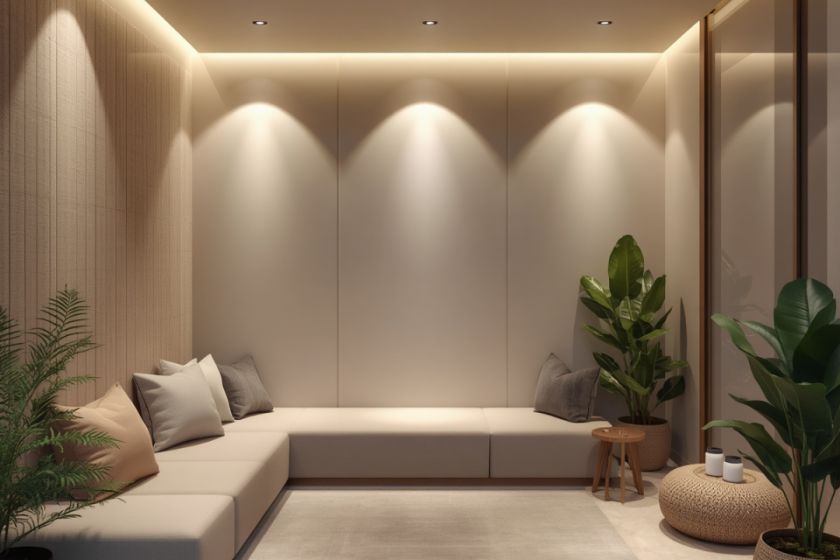
A basement offers an excellent opportunity to create a dedicated area for relaxation, personal wellness, and everyday comfort. Rather than using the space only for storage, homeowners can remodel it into a peaceful retreat that supports reading, meditation, light exercise, hobbies, or simply taking a break from busy household routines. With thoughtful planning, durable materials, comfortable lighting, and flexible layouts, a basement can become one of the most enjoyable and functional spaces in the home.
This guide is part of the Residential Remodeling Resource Center for Better Home Planning and Design, where homeowners can explore practical remodeling ideas, planning strategies, and room-by-room renovation resources for creating functional living spaces.
Identify How the Space Will Be Used
Before creating a design plan, consider which activities the remodeled basement should support. Some households may want a quiet reading area, while others prefer a yoga space, hobby room, music corner, or flexible relaxation area. Defining these priorities early helps determine the most effective layout, storage solutions, and lighting plan.
For broader renovation planning guidance, visit Planning Home Remodeling Projects Around Family Growth and Changing Needs, which explains how to prioritize remodeling decisions around everyday routines and long-term household needs.
Features That Support Wellness and Relaxation
| Design Feature | Practical Benefit |
|---|---|
| Open floor layout | Provides flexibility for multiple activities. |
| Comfortable seating | Creates inviting spaces for reading and relaxation. |
| Built-in storage | Keeps hobby supplies and equipment neatly organized. |
| Layered lighting | Supports different activities throughout the day. |
| Durable finishes | Maintain appearance while simplifying everyday maintenance. |
Create Separate Activity Zones
Even in a single open room, dividing the basement into dedicated zones can improve functionality. One area may serve as a reading corner, another as a stretching or meditation space, while additional sections can accommodate hobbies, music, or quiet conversations. Clearly defined zones help the room remain organized without reducing flexibility.
Include Storage That Keeps the Space Organized
A relaxing environment depends on minimizing clutter. Built-in cabinets, shelving, benches with hidden compartments, and multi-purpose furniture help store books, blankets, exercise accessories, craft supplies, and other frequently used items while maintaining a clean appearance.
Homeowners interested in practical storage ideas may also find inspiration in Home Office Remodeling With Built-In Shelving for Better Workspace Organization, where custom storage solutions improve efficiency while reducing visual distractions.
Maximize Available Natural Light
Although basements typically receive less daylight than upper floors, making the most of available natural light helps create a brighter and more welcoming atmosphere. Light-colored finishes, reflective surfaces, and thoughtful furniture placement can help distribute daylight more effectively throughout the room.
Additional daylight strategies are available in Skylight Remodeling Ideas for Brighter and More Comfortable Living Spaces, which explores ways natural light contributes to comfortable and inviting interiors during remodeling.
Select Materials That Support Long-Term Comfort
Basement finishes should be durable, easy to maintain, and visually calming. Flooring, wall treatments, trim, and cabinetry that withstand everyday use while requiring minimal maintenance help preserve the room’s appearance and functionality for years to come.
For more guidance on coordinating interior finishes, review Selecting Interior Door Styles That Complement Modern Home Remodeling, which explains how architectural elements contribute to cohesive home design.
Design for Future Flexibility
Lifestyle needs naturally change over time. A wellness space may later become a guest retreat, hobby room, entertainment area, or home office. Choosing adaptable furniture, flexible layouts, and timeless finishes allows the basement to evolve without requiring another major remodeling project.
Plan Every Detail Before Construction Begins
Preparing floor plans, furniture layouts, storage requirements, lighting ideas, and finish selections before construction starts helps compare multiple design options and identify opportunities for improvement. Organized planning often results in a smoother renovation process and a more functional finished space.
The Home Renovation Planning Toolkit With Worksheets, Schedules, and Project Templates provides practical worksheets for documenting layouts, material selections, storage plans, and renovation priorities before work begins.
Questions to Ask Before Remodeling a Wellness Basement
- Which relaxation or wellness activities should the room support?
- Can the layout accommodate multiple functions without feeling crowded?
- Is there sufficient storage to keep the area organized?
- Will the lighting create a comfortable atmosphere throughout the day?
- Are the selected materials durable and easy to maintain?
- Can the room adapt as household needs change in the future?
Creating a Basement That Supports Everyday Well-Being
A thoughtfully remodeled basement can become a peaceful extension of the home that encourages relaxation, personal wellness, and flexible everyday use. By planning around household routines, incorporating organized storage, maximizing available natural light, selecting durable materials, and documenting design decisions before construction begins, homeowners can create a comfortable retreat that continues supporting healthy daily living for many years.